



Ecomuseum of the Vega of Almería
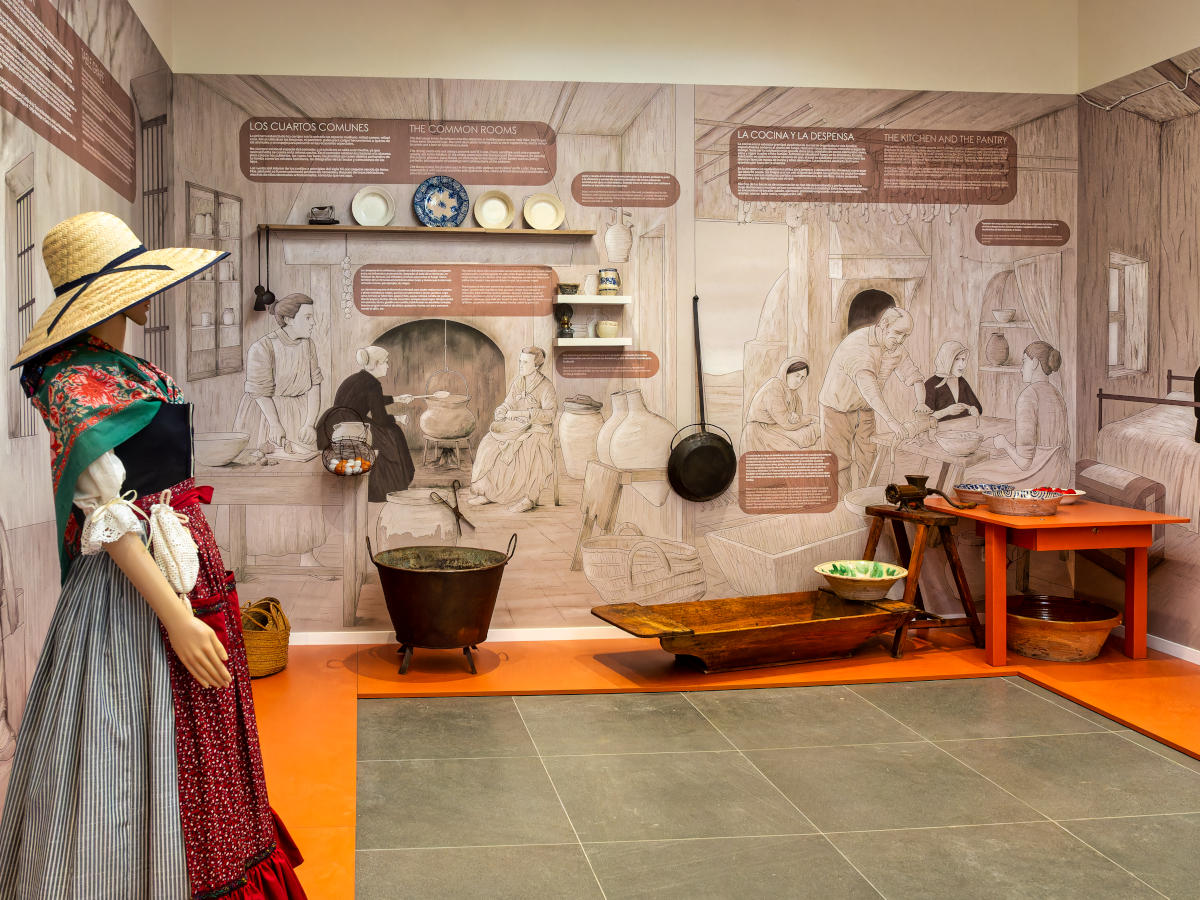
The museum centre has three main rooms: ‘El Cortijo, a way of life’; ‘La Vega, a way of working’ and ‘El territorio del Bajo Andarax’.
In these rooms, the visitor will be able to see belongings, objects, utensils, carts, photographs and even clothing from the period. A wide range of items that come, in many cases, from families who dedicated their lives and work to the Almerian countryside.
Visitors to the museum will be able to travel back in time to the way of life in the Almeria countryside at the beginning of the 20th century through recreations of outbuildings and models of traditional buildings.
All this in an educational and interactive way for all audiences. The museum also has multi-purpose rooms and exhibition spaces.

Centre for Heritage Interpretation
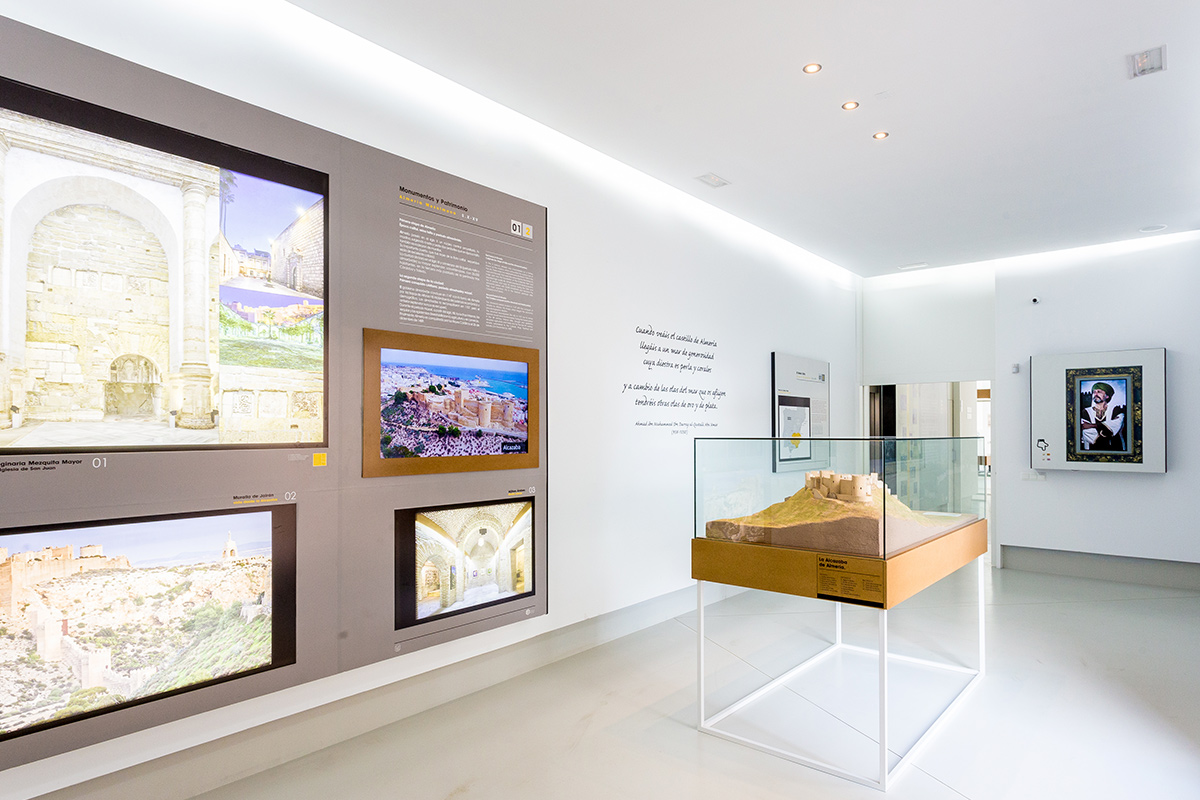
This Heritage Interpretation Center C.I.P. Almeria is located in Plaza Vieja or Plaza de la Constitution.
Admission to the museum is free and he will know and appreciate the history of the city of Almeria. In in the historic center, it is structured in an informative ground floor and three floors centered respectively in the Muslim Almería; Contemporary Christian and Almeria; Today and Almeria.
Interactive tour in which the visitor is accompanied by the characters, monuments and major historical events of each step is performed. explains the keys to understanding what happened in each of these historical moments, how it affected the evolution of the city and how they influence contemporary culture.
In turn, in every age it has designed a ‘Timeline’, that compares the main passages of history in Almeria, Spain and the world.
Furthermore, in its upper terrace you have a gazebo where you can enjoy beautiful views of the Plaza Vieja, the port of Almeria and the impressive citadel of the city.
The Shelters of the Spanish Civil War
History of the shelters.
Almería: 52 bombings, 754 bombs
The Spanish Civil War (1936–1939) profoundly marked the history of the entire country. Although Almería did not experience the conflict directly (it was the last city held by the Second Republic), the city suffered the effects of attacks from both air and sea: 52 bombings targeting military, strategic, and even civilian objectives.
Among all the bombings, the one on May 31, 1937, carried out by the German fleet stands out, resulting in 40 deaths, 150 injuries, and around 200 buildings destroyed.
In this wartime context, the citizens of Almería decided to undertake the construction of underground shelters and actively collaborate in their execution to protect themselves from bombs in case of alarm.
Almería became a true “Guernica,” but unfortunately without any kind of historical or political rehabilitation afterward.
A space for life
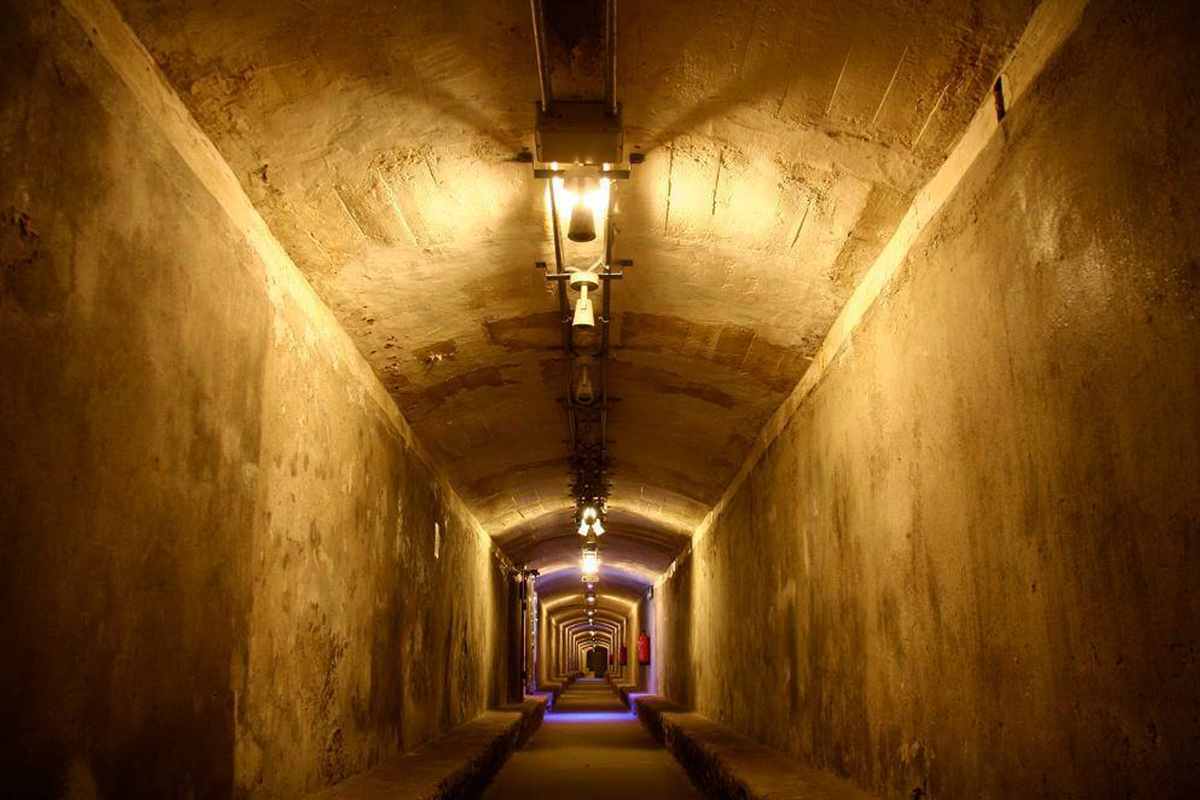
From October 1936 to the spring of 1938, municipal architect Guillermo Langle, canal engineer José Fornieles, and mining engineer Carlos Fernández oversaw the construction of 4.5 km of underground galleries at a depth of 9 meters, with 67 access points to accommodate 34,144 people (at that time, Almería’s population was around 50,000). The rest of the population took shelter in the natural refuges of the Iron Ore deposits of the Andalusian Mining Company and in the caves of La Chanca.
Langle thought of everything: ventilation with 100-millimeter diameter uralite pipes located near the entrances that could withstand hand grenade blasts; the placement of recesses and protrusions to prevent stampedes and act as shields in case of explosions; two copper wires to power the light bulbs illuminating the shelters; a pantry to store food in case of emergency; and even the installation of an operating room to treat the wounded.
Once the war ended, the access points were sealed with a series of rationalist kiosks designed by Guillermo Langle, which became part of the city’s urban furniture. Some of them can still be seen today in Plaza Urrutia, Plaza Conde Ofalia, and Plaza Virgen del Mar, although the latter has been significantly modified.
The shelters were never used again, but the galleries have remained dormant, running like a backbone beneath the city of Almería.
ACCESSIBLE MONUMENT FOR PEOPLE WITH REDUCED MOBILITY
VISITS ARE GUIDED. IT IS RECOMMENDED TO PURCHASE TICKETS IN ADVANCE. CONTACT EACH COMPANY TO INQUIRE ABOUT PRICES.
The Shelters of the Spanish Civil War
They are composed of the underground galleries designed by architect Guillermo Langle Rubio, 9 m. deep to safeguard human lives in the bombing occurred in the city during the Spanish Civil War. Of the 4.5 km. . Designed by architect it has recovered almost 1 km, which coincides with the main artery: the Paseo de Almeria.
It has the appeal of owning recreated spaces: storage pantry, shelter Guillermo Langle and the operating room, with all instruments of the time. They designed shelters that began in 1936, but construction in February 1937 and ended in 1938.
Construction rehabilitated by the city of Almeria and has become present in larger losrefugios Europe open to the public.
Shelters history.
Almería: 52 bombings, 754 pumps.
The Spanish Civil War (1936-1939) profoundly marked the history of the whole country, and although not directly Almería lived the war (it was the last city government of the Second Republic), the town suffered the effects of attacks from the air and from sea: 52 bombing that pursued military, strategic and even civilian targets.
Of all the highlights bombings of May 31, 1937 by the German squad, with a balance of 40 dead, 150 injured and 200 buildings destroyed.
In this context of war, Almeria citizens decide to undertake the construction of underground shelters and cooperate actively in its implementation to protect the pumps in case of alarm.
Almeria became a real “Guernica”, but unfortunately without any further political or historical rehabilitation.
From October 1936 until the spring of 1938, the municipal architect Guillermo Langle, the engineer José Fornieles channels and mining engineer Carlos Fernandez directed the construction of 4.5 km. of underground galleries to 9 meters deep with 67 hits to house 34,144 people (at that time the population was about 50,000 Almería). The rest of almerienses took shelter in natural shelters deposits Iron Ore Mining Company Andalusian and caves of La Chanca.
Langle thought of everything. In ventilation tubes uralita 100 mm in diameter located adjacent to the mouths and resist launching hand grenades; in placing incoming and outgoing to avoid avalanches and, in turn, make screen if from exploding grenades; two copper wires to feed the bulbs that lit shelters; in a food pantry that you stored if necessary; and even installing an operating room to treat the injured.
Once the war ends, the mouths of access are blinded with a series of rationalists kiosks, designed by Guillermo Langle, which become part of the street furniture in the city. Even today we can see some of them in the Plaza Urrutia, Plaza Conde Ofalia and Plaza Virgen del Mar, although the latter quite reformed.
The shelters are not again used, but the galleries have continued sleeping, crossing, as a backbone, the city of Almeria.
Guitar Museum ”Antonio de Torres"
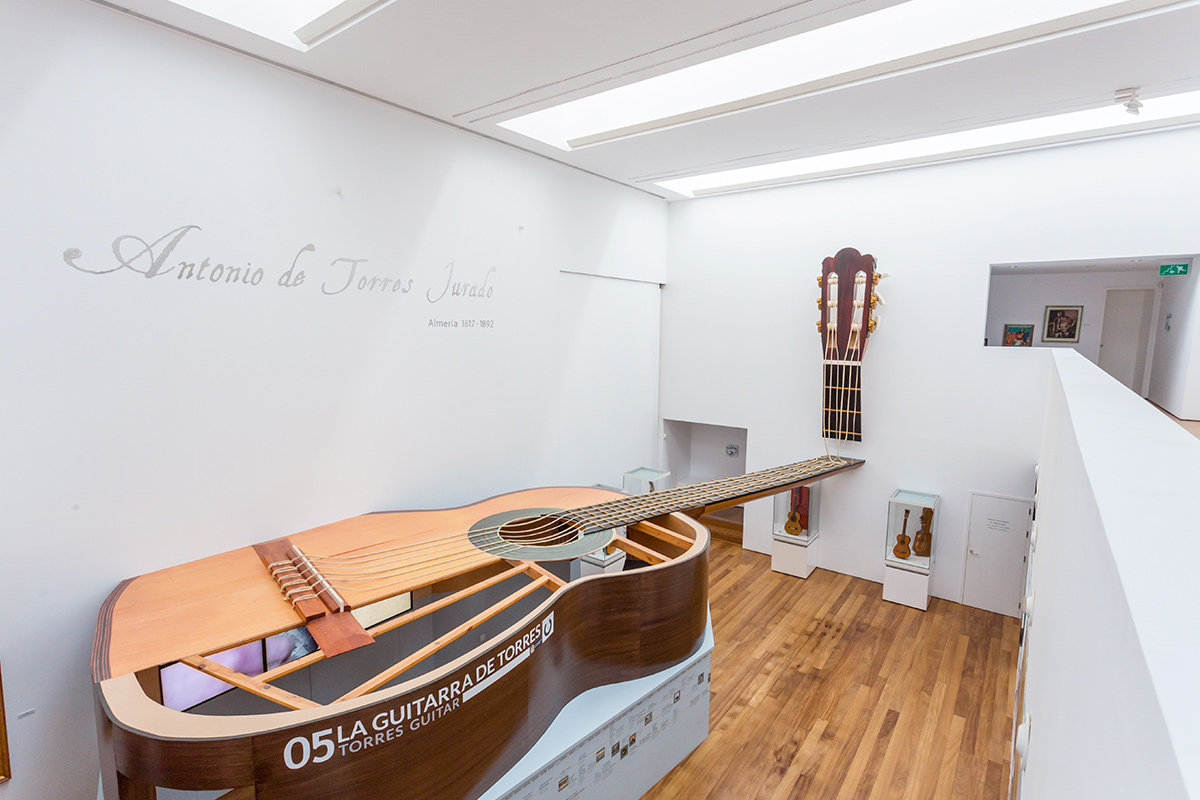
The Museum of Spanish Guitar ‘Antonio de Torres’ is more than a museum space, an exhibition and information center that will allow visitors to learn in a fun and easy way primary keys of one of the most popular musical instruments around the world as is the guitar.
The most played and produced in the history of world music instrument comes from the hand of its maximum precursor, the lutierAntonio Torres, considered the father of contemporary guitar.
Therefore, among the objectives of this project the Culture of the City of Almería as the main driving force behind the same aims that visitors actively participate in the museum itself and, by extension, in the cultural life of the city of Almeria.
The Museum offers participants much more than a simple succession of pieces, it is a surprising, relevant, educational, interactive and attractive cultural space, open to the public and visitors.
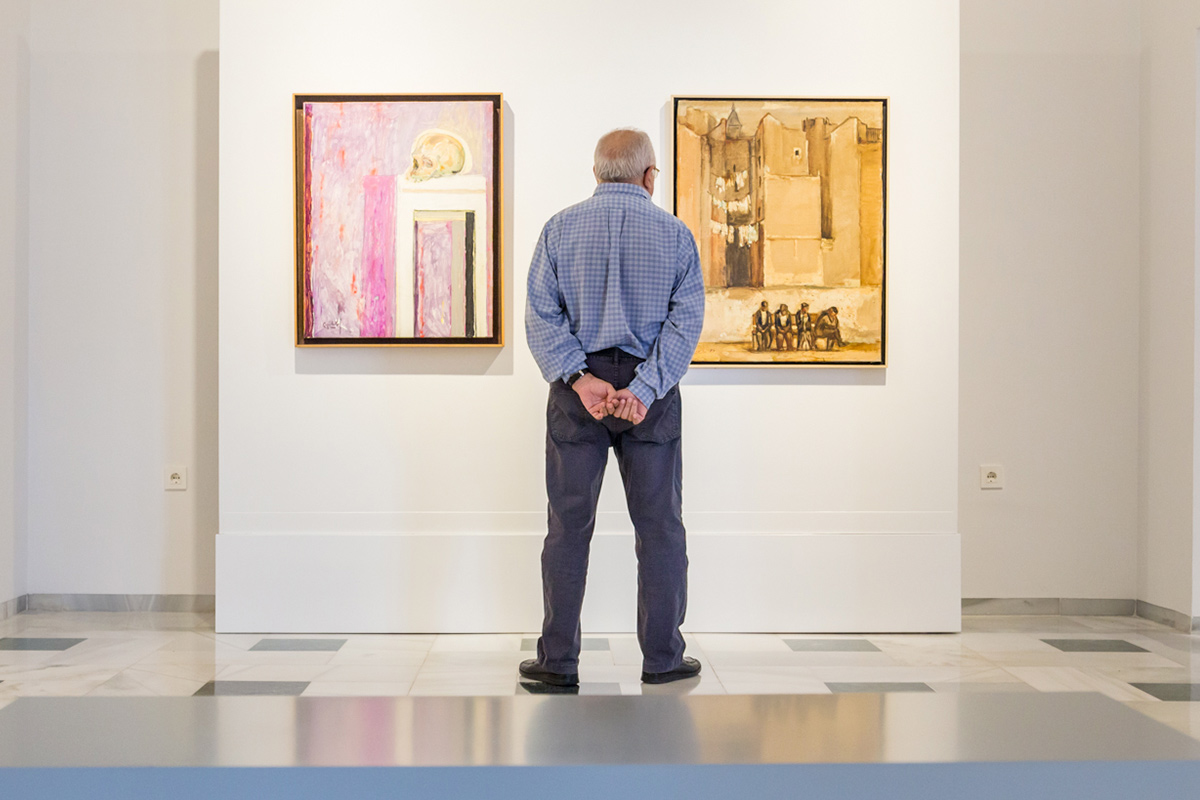
Doña Pakyta Art Museum
In the 1980s, Dona Francisca Diaz Torres popularly known as Doña Pakyta- decided to donate to the City of Almería, so that after his death it was transformed into a cultural center and permanent exhibition space, which had been his house for years vivienda. A northern singular aesthetic, built in 1928 by architect Guillermo Langle commissioned by Don Antonio Gonzalez Egea, known among almerienses as the ‘Casa Vasca’.
In May 2014, the chalet located at the end of Paseo became part of the municipal heritage and the work of adapting the ground and first floors of the building to the new order were initiated: host the first headquarters of the Art Museum of Almeria. A new cultural endowment through which, thanks to the sum of synergies between the capital and the Foundation of Art Ibáñez Cosentino, visitors will have the opportunity to enjoy a wide panorama of almeriense art from the 1880s to the 1970.
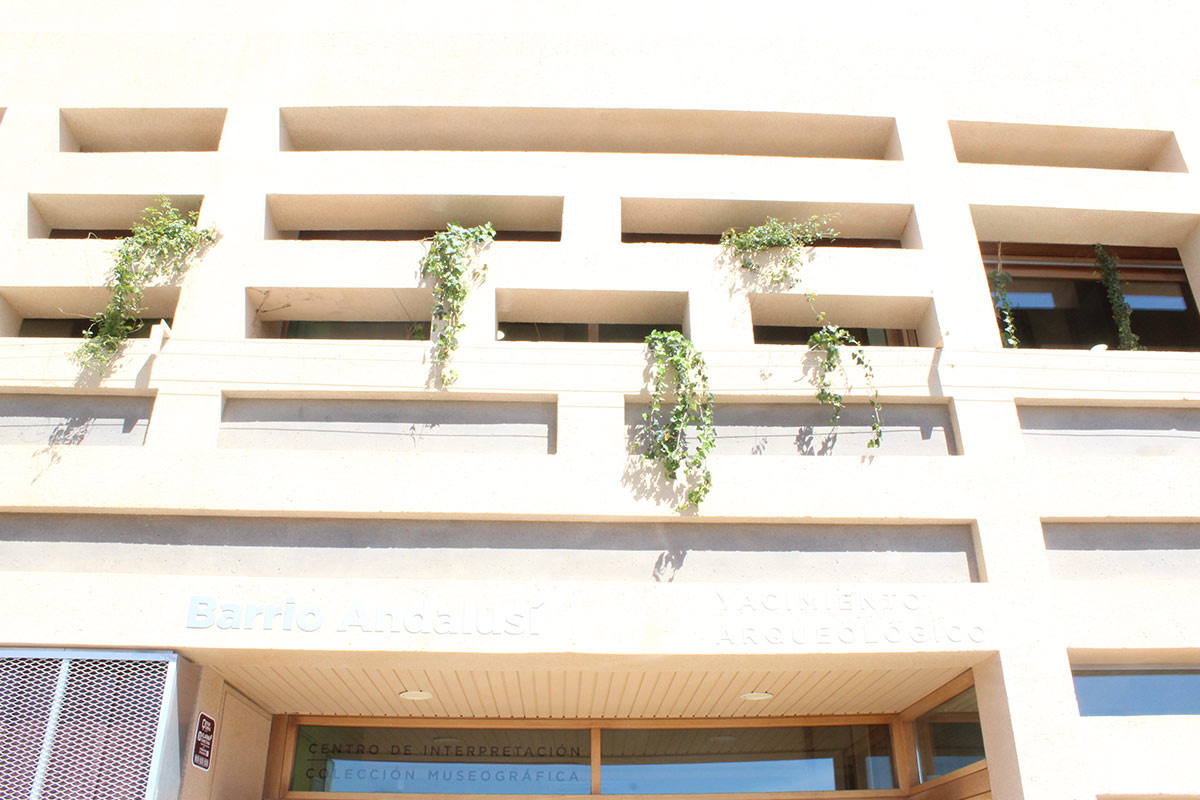
Yacimiento arqueológico Barrio andalusí
Un poco de historia
En el año 2008 surge un proyecto para la regeneración del Casco Histórico de Almería llamado “Proyecto Urban” dentro del cual se tenían previstas una serie de actuaciones en la adecuación y equipamiento de las Cuevas del antiguo Mesón Gitano (ya derruido en los años 80), así como una serie de obras de regeneración del entorno de la Alcazaba. Entre estas actuaciones estaba la construcción de un nuevo centro vecinal para darle servicios al barrio, junto con la prolongación de la calle Fernández, creando un nuevo vial que conectase la Alcazaba con el barrio de Pescadería y la Chanca.
Pero en el año 2014, los trabajos de arqueología previos a las obras de remodelación sacaron a la luz un gran descubrimiento para la ciudad de Almería. Bajo los restos del antiguo hotel del Mesón Gitano y cubierto por varias toneladas de tierra, se descubrió una serie de casas que tenían buen estado arqueológico, tomándose la decisión de mantener el yacimiento para disfrute de los ciudadanos. Así empezó el proyecto del hoy terminado Yacimiento arqueológico Barrio andalusí.
Exposiciones fijas:
Yacimiento arqueológico barrio medieval del S.XI - XIII
Colección de piezas arqueológicas sobre la vida cotidiana del yacimiento arqueológico y el llamado “tesorillo” 33 monedas de oro de época almorávide propiedad del Ayuntamiento de Almería.
Exposición fotográfica de Carlos de Paz con fotografías realizadas durante la excavación arqueológica del año 2014
Descargar tríptico informativo
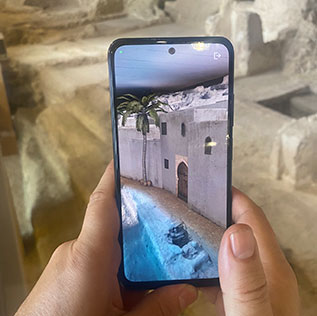
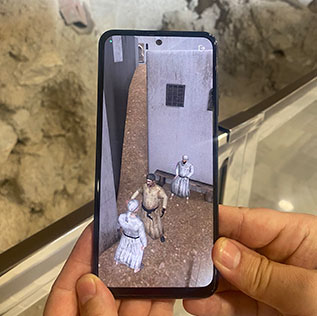
Descargar la APP de Realidad Aumentada


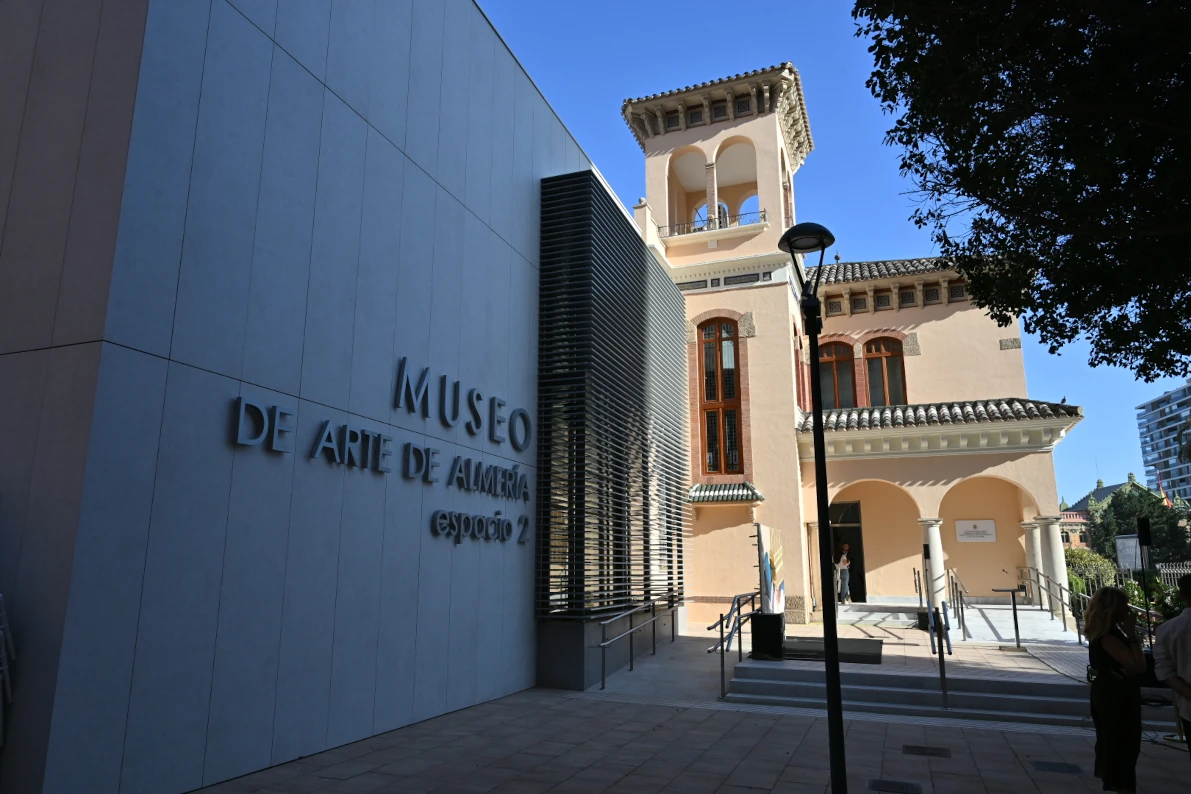
Almeria Central Art Museum
The set, which was the old Preventorio of the Child Jesus, consisted of two different buildings: the housing-detached house of Jose Batlles, built in 1927 and renovated in 1943, and the galleries and offices promoted in 1944 by the National Tuberculosis Board, linking the house with the limit Avenue Ntra. Sra. de Montserrat. Galleries, open to the garden, housed on the ground floor children’s bedroom, on the top floor and the girls. The villa, during the time it was part of preventorio, housed the management, administration and clinical care set. The building was closed in 1966.
The whole left standing only the house of Jose Batlles, and is framed in the regionalist tradition from a project of Guillermo Langle Rubio. In an annex building he was added to house the Museum Art Center Almería, under the Department of Culture of the City of Almería, which opened in October 1998.
BUILDING HANDICAPPED ACCESSIBLE
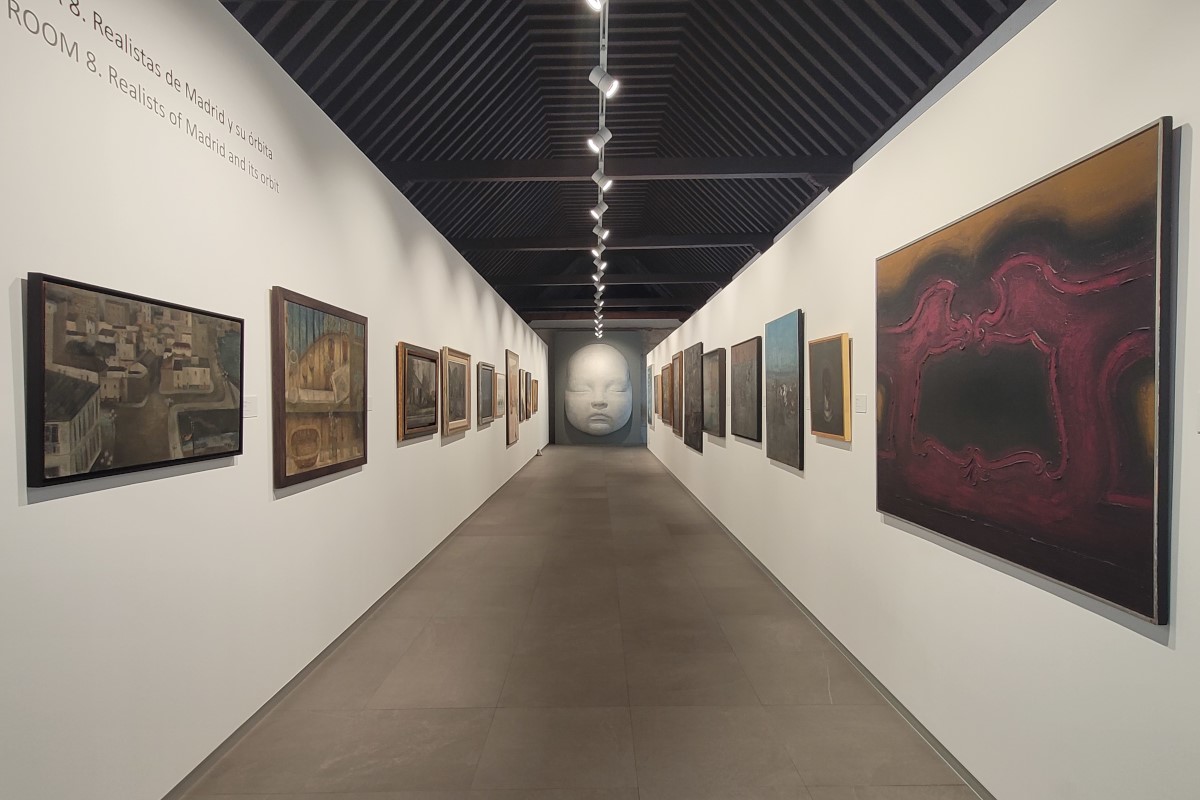
Museum of Contemporary Spanish Realism (MuReC)
A project arising from the sum of synergies that since 2012 has united the Diputación de Almería with the Fundación de Arte Ibáñez Cosentino in the commitment of both institutions to Art and Culture, and from the close relationship that for more than two decades has united the realist artists Antonio López García (Tomelloso (Ciudad Real), 1936) and Andrés García Ibáñez (Olula del Río (Almería), 1971), the Museo del Realismo Español Contemporáneo [MUREC] in Almería opened its doors on 15 March 2024.
Located in the former Royal Hospital of Santa María Magdalena, a building restored and refurbished by the Diputación de Almería, the MUREC houses a permanent collection of 271 works of art created between 1890 and 2023 by 134 Spanish artists. The collection, created by the Ibáñez Cosentino Art Foundation expressly for this new publicly owned cultural space, is unique and exceptional both for its discourse - realism as the common thread - and for the artists represented.
Distributed over two floors, the MUREC has 11 rooms in which the museum's permanent collection is exhibited. A collection, distributed according to chronological criteria, which will allow the visitor to learn about the course of realism as an aesthetic option and artistic concept over more than a century of history.
The first six rooms of the museum are located on the ground floor. Here, as well as presenting, by way of a preamble, the MUREC and explaining why it is located in Almería, a journey through the evolution of Spanish Realism from the end of the 19th century to the beginning of the 1950s begins. A journey in which the presence of artists such as Sorolla, Beruete, Pinazo, Ramón Casas, Rusiñol, Mir, Gonzalo Bilbao, Benedito, Zuloaga, Mariano Benlliure, López Mezquita, Antonio Fillol, Romero de Torres, Julio Antonio, Mateo Inurria, Morcillo, Capuz, Gustavo de Maeztu, Zubiaurre, Solana, Ramón Gaya, Cristóbal Ruiz, Sunyer, Vázquez Díaz, Rosario de Velasco, Juan Cristóbal, Romero Ressendi, Eduardo Vicente, García Donaire, Xavier Valls, Campillo, Marisa Pinazo and Mallol Suazo, among many others.
The first floor of the building houses 5 rooms in which the museum's discourse continues, from the 1950s to the present day. More than 7 decades of realist art through the works of, among others, Antonio López Torres, Félix Alonso, Carmen Laffont, María Moreno, Esperanza Parada, Isabel Quintanilla, Amalia Avia, Francisco López, Julio López, Antonio López, Matías Quetglas, Antonio Maya, José María Mezquita Gullón, Juan José Aquerreta, José María Cuasante, Félix de la Concha, Jesús Ibáñez, Clara Gangutia, Roberto González, Golucho, Ignacio Mayayo, Andrés García Ibáñez, Joseba Sánchez Zabaleta, Cristina Megía, Eduardo Millán, Pepe Baena, Francisco Lafarga and Noé Serrano.
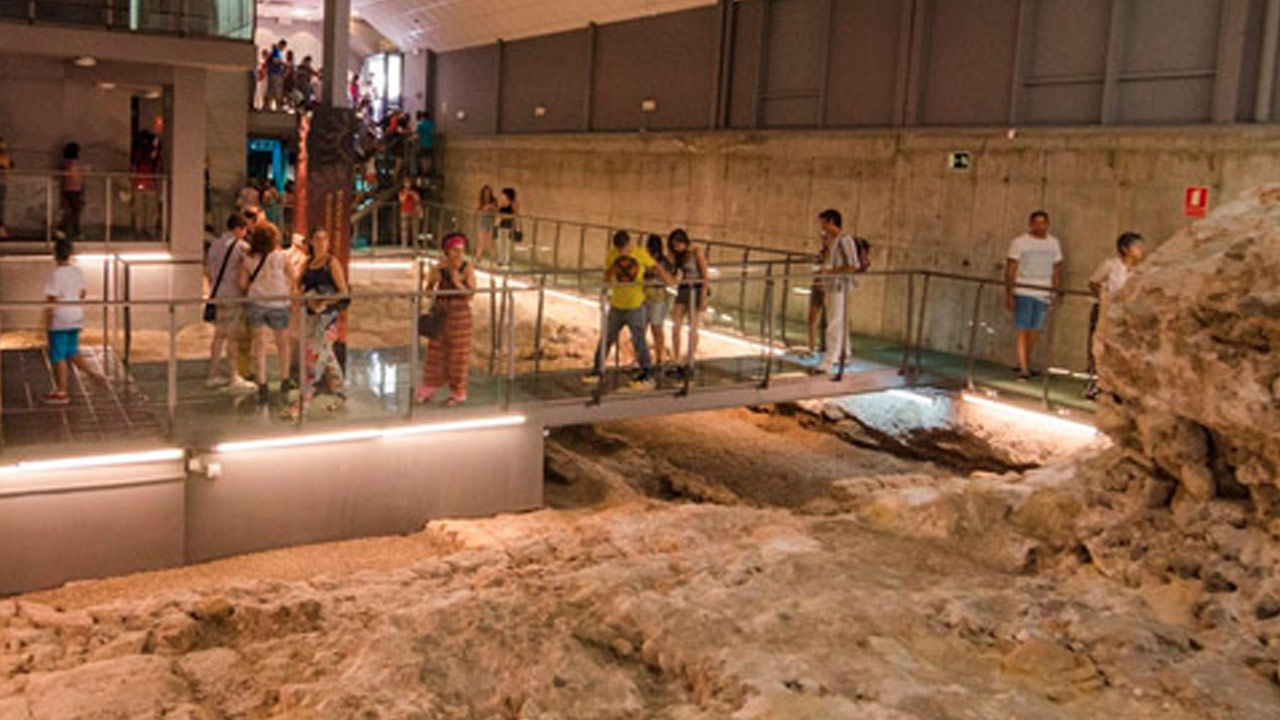
Puerta de Almeria Archaeological Site
The Archaeological Enclave Puerta de Almería, inaugurated in 2006, is a center that integrates part of the coastal wall of the tenth century belonging to the core of the Medina and the Caliphate period and integrates part of the door that had that stretch of wall: the Puerta del Puerto. A small salted fish factory from the Roman period is also preserved in this center.
Panels, audiovisuals, illustrative photographs and plans detail the origin of the city of Almeria (Almariyya), when it was first Almariyyat-Bayana, the maritime district of Pechina (Bayyana) and Pechina was the administrative Cora.
On the corner of Calle de la Reina and Nicolás Salmerón Park is the Puerta de Almería Interpretation Center, which houses the remains of the Caliphate wall from the time of the founding of Almería in the 10th century, and a Roman salted fish factory.
More information about Enclave Arqueológico Puerta de Almería here.